
10 Best Ways to Make Passive Income Online in 2026
Want to earn money while you sleep? You can. The right online income stream can keep cash flowing with little daily work. In this guide we break down ten proven options you can start today, show how each works, and give you concrete steps to launch. By the end you’ll know which path fits your skills, budget, and lifestyle.
1. Affiliate Marketing , Low Startup, High Potential
Affiliate marketing lets you earn a commission every time someone buys a product through your link. You don’t hold inventory, you don’t ship anything. All you need is a platform where you can share links, a blog, a YouTube channel, or a social feed.
Why it works: you tap into an existing product’s market and let the seller handle fulfillment. Your job is to drive traffic and persuade people that the product solves a problem they have.
Here are the key steps to get started:
- Pick a niche you enjoy. The more you care, the easier it is to create genuine content.
- Join reputable affiliate programs. Major affiliate networks and niche‑specific programs can offer higher rates. Look for programs that match your niche.
- Create content that solves a problem. Tutorials, reviews, and comparison posts rank well and attract buyers.
- Insert your unique links naturally. Avoid hard‑selling language; let the value speak for itself.
- Track performance with the program’s dashboard. Adjust your tactics based on click‑through and conversion data.
Even though the idea sounds simple, success often hinges on consistency. Publish new pieces regularly, keep SEO basics in mind, and experiment with different formats.
According to an overview of passive‑income ideas, affiliate marketing ranks among the easiest ways to start because it needs little upfront capital and can scale with traffic.
We’ve seen many home‑based entrepreneurs turn a modest blog into a six‑figure side income by reinvesting earnings into SEO tools and email lists.
2. Print on Demand , Create Without Inventory
Print on demand (POD) lets you sell custom designs on shirts, mugs, tote bags, and more without ever holding stock. A POD provider prints and ships each order when a customer buys.
Steps to launch:
- Choose a niche design theme, humor, pets, fitness, or a cause you care about.
- Sign up with a POD service. They integrate with leading e‑commerce platforms.
- Upload high‑resolution artwork. Most platforms accept PNG files with transparent backgrounds.
- Set competitive prices. Factor in base cost, shipping, and a profit margin.
- Promote your store through social media, influencers, or paid ads.
Because the provider handles production, you can focus on design and marketing. The main challenge is standing out in a crowded market, so unique, high‑quality designs matter.
Here’s a quick checklist for design quality:
- Use a DPI of 300 or higher.
- Leave safe‑zone margins to avoid cut‑off.
- Test colors on multiple mockups.
Many creators start with a few simple designs and reinvest profits to run paid ads on social media that target fans of the niche.
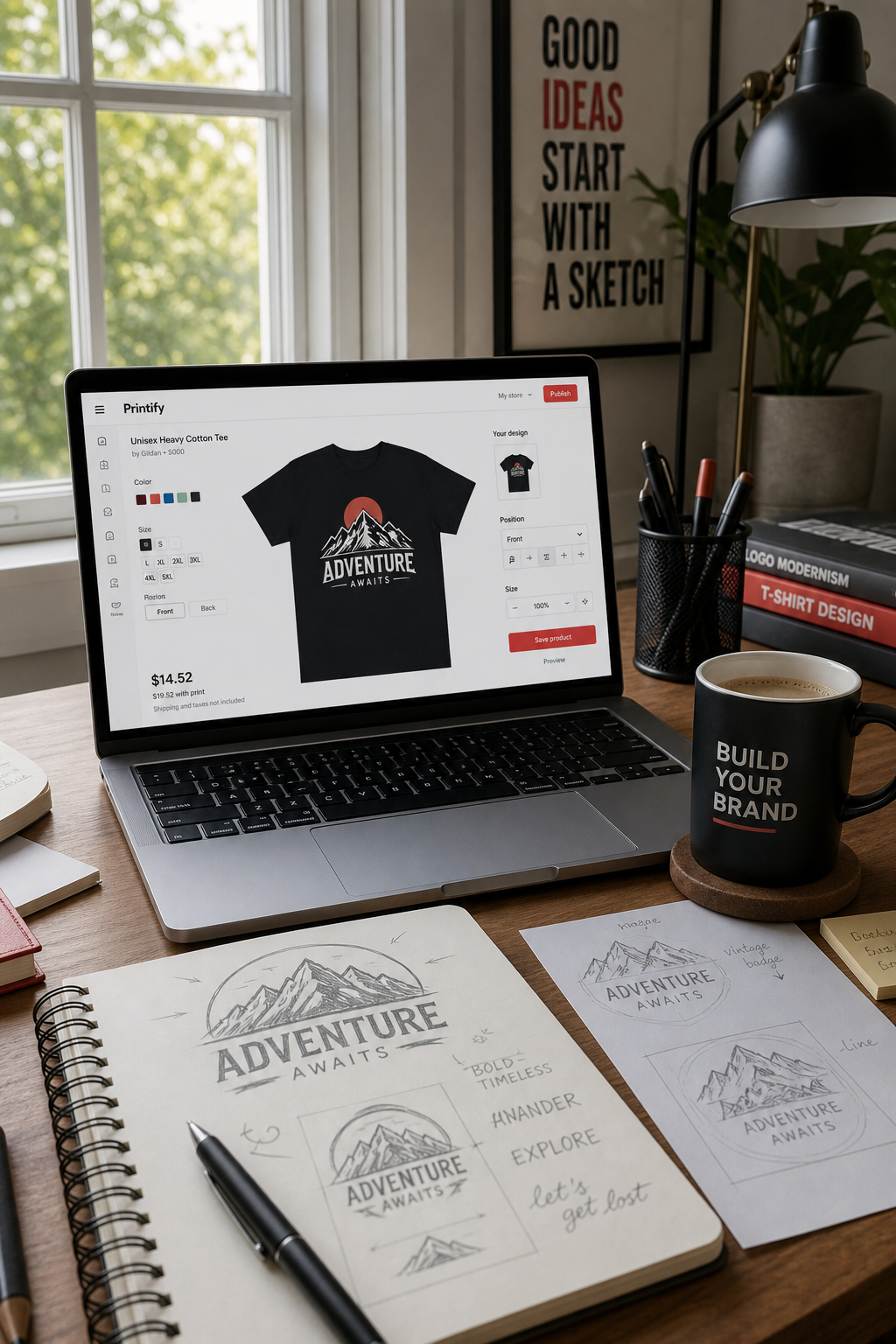
Remember, POD profit margins can be thin, aim for at least a 40% markup to make the effort worthwhile.
3. Digital Products , Sell Once, Earn Forever
Digital products include e‑books, templates, music loops, and software. Once you create the file, you can sell it endlessly with zero marginal cost.
Why they work:
- You own the asset. No royalties to pay.
- Delivery is instant, no shipping hassles.
- Platforms specializing in digital product marketplaces handle checkout and file delivery.
To build a digital product empire, follow these steps:
- Identify a problem you can solve with a digital asset. Think of recurring pain points in your niche.
- Develop the product. For an e‑book, outline chapters, write, and design a cover. For a template, create a clean, reusable file.
- Set a price based on value, not cost. Many creators price templates between $10‑$30.
- Create a landing page that showcases benefits, screenshots, and a short demo.
- Drive traffic with content marketing, email sequences, or paid ads.
Automation is key. Use a tool like Evolution of Online Network Marketing to integrate your checkout with email automation, so each buyer receives a welcome series that upsells related items.
Once the product is live, keep an eye on analytics. If a particular headline converts better, tweak the copy. If a buyer drops off at checkout, test a simpler form.
One creator I know turned a $200 investment in a design tool into $5,000 in three months by selling a bundle of Photoshop brushes and Lightroom presets.
4. Stock Photography , Monetize Your Camera
If you already own a camera and have a library of images, you can earn royalties by licensing them on stock sites. Buyers range from marketers to bloggers who need ready‑to‑use visuals.
Key steps:
- Curate your best shots, sharp focus, clean composition, and good lighting.
- Remove any logos or recognizable brands to avoid legal issues.
- Sign model releases for any recognizable people.
- Keyword each photo with relevant terms. Think like a buyer: what would they type into a search bar?
- Upload to multiple stock photography platforms to broaden reach.
Consistency matters. Uploading a batch of 20 new photos each week can steadily increase your earnings.
While a single download may bring only a few cents, popular images can generate hundreds of downloads over years, turning your photo archive into a long‑term cash stream.
Here’s a tip from the field: focus on evergreen subjects, office spaces, healthy food, remote work scenes, because they stay in demand.

For a deeper look at how stock platforms operate, see the Wikipedia entry on stock photography. It explains licensing models, royalty rates, and best practices for keywording.
Many photographers treat stock sales as a side hustle that eventually funds travel or new gear.
5. Dropshipping , E‑commerce Without Inventory
Dropshipping lets you run an online store while a supplier stores, packs, and ships products directly to customers. You never see the merchandise.
How to get rolling:
- Pick a niche with proven demand, think eco‑friendly gadgets or pet accessories.
- Find reliable suppliers on supplier platforms. Look for high ratings and fast shipping.
- Set up a storefront with an e‑commerce platform. Connect the supplier’s catalog via an app that syncs inventory and orders.
- Price products to cover the supplier cost, transaction fees, and a profit margin (typically 20‑30%).
- Run targeted ads on social media platforms to drive traffic. Test creatives and copy to see what resonates.
Automation is built‑in: order details flow automatically to the supplier, who ships the package. Your focus stays on marketing and customer service.
Watch out for common pitfalls: long shipping times can cause refunds, and low‑quality suppliers may damage your brand. Always order sample products first.
Pro tip: use a single‑product store to test market fit before expanding the catalog. Simpler sites convert better when the offer is clear.
When you master ad scaling, dropshipping can become a steady passive stream, especially if you outsource customer support.
6. Real Estate Crowdfunding , Invest Small, Earn Big
Real‑estate crowdfunding platforms let you pool money with other investors to buy commercial or residential properties. You earn a share of rental income and any appreciation.
Why consider it:
- Low minimum investment, often $500‑$1,000.
- Passive cash flow from rent.
- Diversification beyond stocks and bonds.
Many real estate crowdfunding platforms offer different property types and risk levels.
How to evaluate a deal:
- Check the sponsor’s track record. Look for years of experience and past project performance.
- Review the property’s cash‑on‑cash return. Aim for at least 6‑8% after fees.
- Understand the exit strategy, will the property be sold in five years, or will you hold for long‑term cash flow?
Because most platforms provide quarterly updates, you can monitor income without daily involvement.
One investor shared that a $1,000 stake in a multifamily building yielded $75 quarterly payouts, which added up to $300 a year, an easy supplement to a side‑hustle.
7. Dividend Investing , Let Your Money Work
Dividend investing involves buying shares of companies that regularly distribute a portion of earnings to shareholders. The payouts can be reinvested to compound growth.
Key benefits:
- Predictable income, most dividend stocks pay quarterly.
- Potential for capital appreciation.
- Tax‑advantaged accounts (e.g., Roth IRA) can make dividends tax‑free.
To build a dividend portfolio:
- Screen for companies with a dividend yield of 3‑5% and a payout ratio below 60%.
- Diversify across sectors, consumer staples, utilities, and healthcare often have stable payouts.
- Consider dividend‑focused ETFs for instant diversification. Industry analysts’ latest list highlights solid options.
According to a 2026 dividend‑ETF roundup, funds like a high-dividend ETF balance yield and risk, making them a good entry point for beginners.
Reinvest dividends using a DRIP (Dividend Reinvestment Plan). Over time, the compounding effect can turn a modest $5,000 portfolio into a reliable $300‑$400 monthly stream.
Watch out for high‑yield traps, very high yields can signal a struggling business. Always s.
Frequently Asked Questions
Can I start multiple passive‑income streams at once?
Yes, you can. Begin with a low‑cost option like affiliate marketing while you develop a digital product. Stagger launches so you don’t spread yourself too thin. Track each stream’s performance separately to see which yields the best ROI.
How much time does each method require after the initial setup?
Most methods need a few hours a week for maintenance. Affiliate links need occasional content updates. Print on demand requires design refreshes. Stock photography only needs new uploads periodically. Dropshipping may need weekly ad monitoring. Dividend investing is largely hands‑off after you pick the right funds.
Do I need a website for every option?
A website helps centralize traffic, but it isn’t mandatory. You can sell on marketplace platforms for print on demand, or use a video‑sharing channel for affiliate links. Having a site, however, gives you control over branding and email capture.
What’s the best way to automate earnings?
Automation tools such as email autoresponders, scheduled social posts, and order‑fulfillment integrations reduce manual work. For example, the Build a Residual Income Through Network Marketing program teaches how to set up AI‑driven social media outreach that feeds leads directly into a CRM.
Is there any risk of losing money?
Every investment carries risk. Affiliate commissions can drop if a merchant changes terms. POD and dropshipping rely on supplier reliability. Real‑estate crowdfunding can face property devaluation. Diversify across at least three streams to spread risk.
How do I track performance?
Use a spreadsheet or a dashboard tool. Record key metrics: traffic, conversion rate, revenue, and net profit. Review monthly and adjust strategies, raise prices on high‑margin items, pause ads that underperform, or reinvest dividends into higher‑yield assets.
Conclusion
There’s no single magic formula for passive income. The right path depends on your skills, the time you can invest upfront, and how much automation you want. Affiliate marketing offers the lowest barrier, while dividend investing gives stable, long‑term cash flow. Print on demand and dropshipping let creative folks sell physical goods without inventory. Stock photography turns your existing photos into a royalty engine, and real‑estate crowdfunding opens a door to property income with modest capital.
Take the next step by picking one method that aligns with your strengths. Build a simple system, automate where you can, and watch the earnings grow. If you’re a network‑marketing entrepreneur, you might also explore the Create Time Freedom with Network Marketing resources for additional coaching and automation tricks.
Ready for more detailed tactics? on building a sustainable online business and start turning passive ideas into real cash today.


