
Best MLM vs Affiliate Marketing: Key Differences for 2026
Intro
Hey there. If you’re weighing MLM vs affiliate marketing, you’re not alone. Both paths promise a way to earn from home, but they run on very different engines. MLM relies on a team and a pay plan that grows when your downline grows. Affiliate marketing pays you for sales you generate, with far fewer roots in recruitment. The choice often comes down to your strengths, your tolerance for risk, and how you want to live your life. In this guide, we’ll compare the two side by side, with simple explanations and practical steps you can take in 2026. We’ll cover structure, earnings, barriers to entry, and the legal and reputational realities you should know. We’ll also point you to Shush Arya’s approach to coaching home‑based entrepreneurs, so you have a clear path forward. And yes, we’ll keep things practical, not hype. If you want a quick map, we’ll give you that too. The Evolution of Online Network Marketing shows how these models have evolved in the digital era.
Understanding MLM: Definition, Structure, and Earnings
MLM, short for multi‑level marketing, is a business model that blends direct sales with a recruitment engine. You earn from your own product sales and from the sales made by people you recruit, and those recruits can sign up others, creating levels of downline commissions. This structure is what gives MLM its distinctive shape: a hierarchy where income can come from several tiers, not just your own sales. The core idea is use: you build a team that sells, and you share in the team’s momentum. In plain terms, your effort compounds as your downline learns and sells more. And yes, this is why many people feel MLM is about more than one sale, it’s about building a living, breathing network that keeps paying you as it grows.
When you start, the first question is usually, “What do I actually earn, and how fast?” The short answer is: earnings hinge on the compensation plan, your personal sales, and the activity of your downline. Some plans are straightforward, with pay tied to your own orders. Others use complex tiers, bonuses, and rank jumps. The plan matters as much as the product, because a good product with a weak plan won’t pay you well, while a strong plan with poor products won’t keep you selling for long. This blend of product quality, team dynamics, and payout rules is the heart of MLM income. And you’ll find that success stories vary a lot, with results depending on time, effort, and the network you build. For a quick note on the legal and regulatory frame around MLM, you can explore what Wikipedia has to say about MLM concepts and how they’re viewed in different regions. Wikipedia: Multi-level Marketing.
Barrier to entry in MLM is real. Many companies require an upfront kit, starter inventory, or periodic training fees. This creates a financial hurdle that new entrants must clear before earning, and the cost varies by company and market. The upside is access to training, marketing materials, and a ready‑made product line. The risk is that you’re pushing a model where the team’s growth heavily influences your earnings, which can feel precarious if momentum stalls. In addition, MLMs sit under regulatory scrutiny in some places, which traders and marketers should understand before diving in. For context on the legal and reputational angle, you can read about pyramid scheme concerns on Wikipedia. Wikipedia: Pyramid scheme.
“The best MLM is one that sells real value, not just a plan to recruit.”
Bottom line: MLM works best when you value product-led sales and ethical team building, not just recruitment.
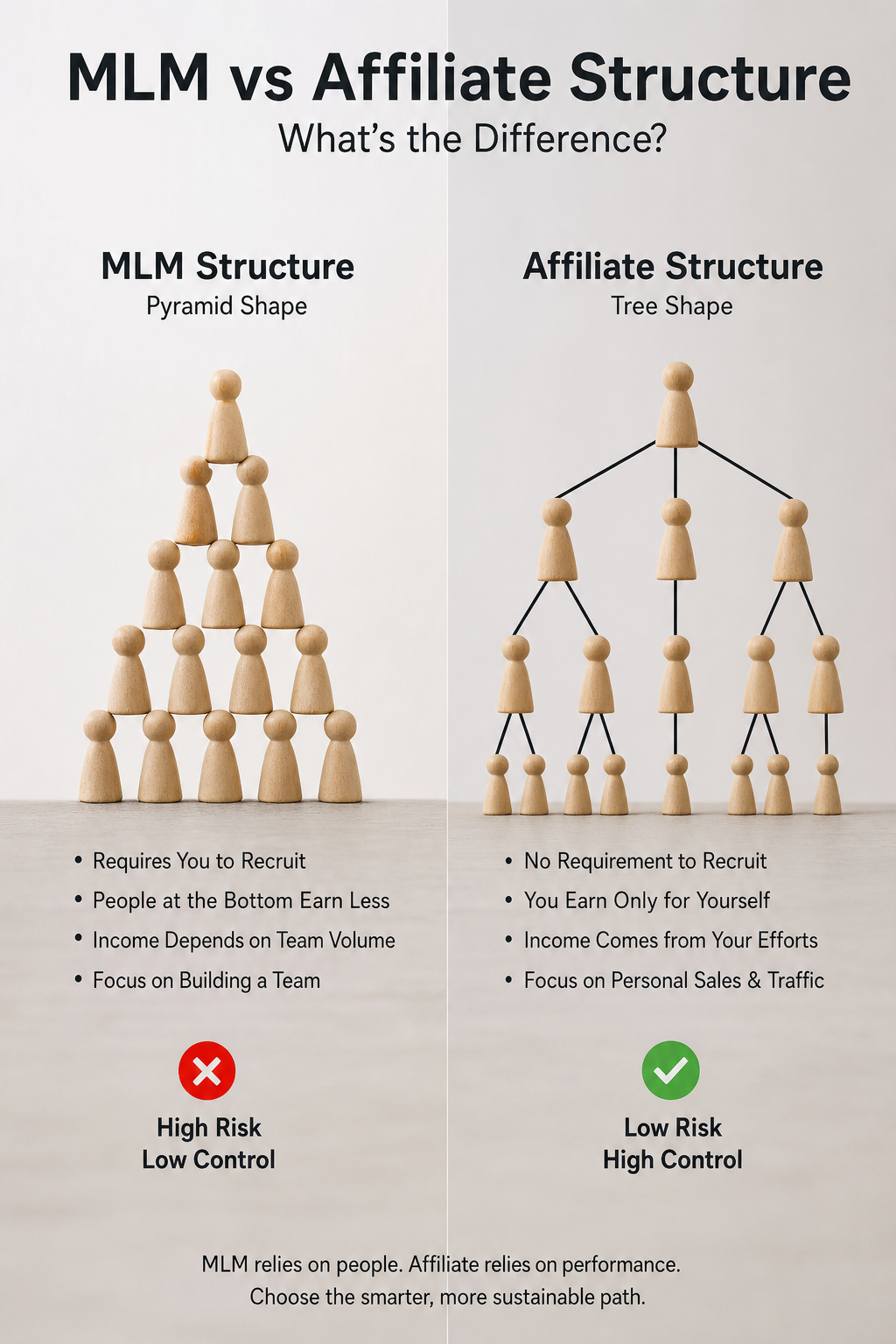
One more note on scope. In practice, many brands mix MLM with affiliate or direct‑to‑consumer methods as a hybrid model. This blurs the line between recruitment and sales, and it’s something more and more companies are trying in the wake of digital marketing shifts. Hybrid models can lower entry costs while keeping the team‑driven payout, but they also add complexity, so it’s important to understand how any hybrid plan handles commission cash flow and regulatory compliance.
Bottom line: MLM is a team‑based, compensation‑plan driven business that blends product sales with downline earnings, and it can be powerful when paired with solid products and ethical practices.
Affiliate Marketing Explained: How It Works and Income Models
Affiliate marketing works differently. You promote someone else’s product and earn a commission on sales that come through your unique links. There’s no requirement to recruit others, and you can join multiple programs. The core action is simple: drive traffic or referrals to a product, and get paid when a customer buys. You don’t carry inventory, and customer service is usually handled by the merchant. In short, you’re paid for performance, not for people you bring into a team. For a clear contrast, see how affiliate marketing is defined and explained to beginners in reputable sources about online referral programs. Wikipedia: Affiliate marketing.
The income model in affiliate marketing is straightforward: you receive a fixed commission per sale or a percentage of the sale. Payouts vary by program and can be weekly, monthly, or even instant in some setups. Because there’s no need to maintain a downline, you can scale by creating content, investing in paid traffic, or building an audience that trusts your recommendations. That means you can start with minimal upfront cost and grow based on the quality of your content and your targeting. If you want a practical, real‑world framing on how flexible this model can be, think of affiliate marketing as a marketplace where your skill in promotion is your main asset. For broader context on the digital‑age view of affiliate programs, you can learn from Wikipedia’s overview. Wikipedia: Affiliate marketing.
Barrier to entry for affiliate marketing is notably low. You can join free programs and start sharing links right away. Some programmes may offer product trials or training, but you’re rarely asked to buy starter kits or carry inventory. The trade‑off is that income can be less predictable, since you rely on customers buying through your links and ongoing content or paid traffic to keep the pipeline flowing. Still, the model scales well with the right content strategy and smart traffic tactics. And because you’re not managing a team, you don’t shoulder the overhead of downline management. This is why many stay‑at‑home entrepreneurs love affiliate marketing: you can start today and learn along the way.
Bottom line: Affiliate marketing is cost‑efficient and scalable, but it rewards your ability to generate audience trust and consistent conversions.
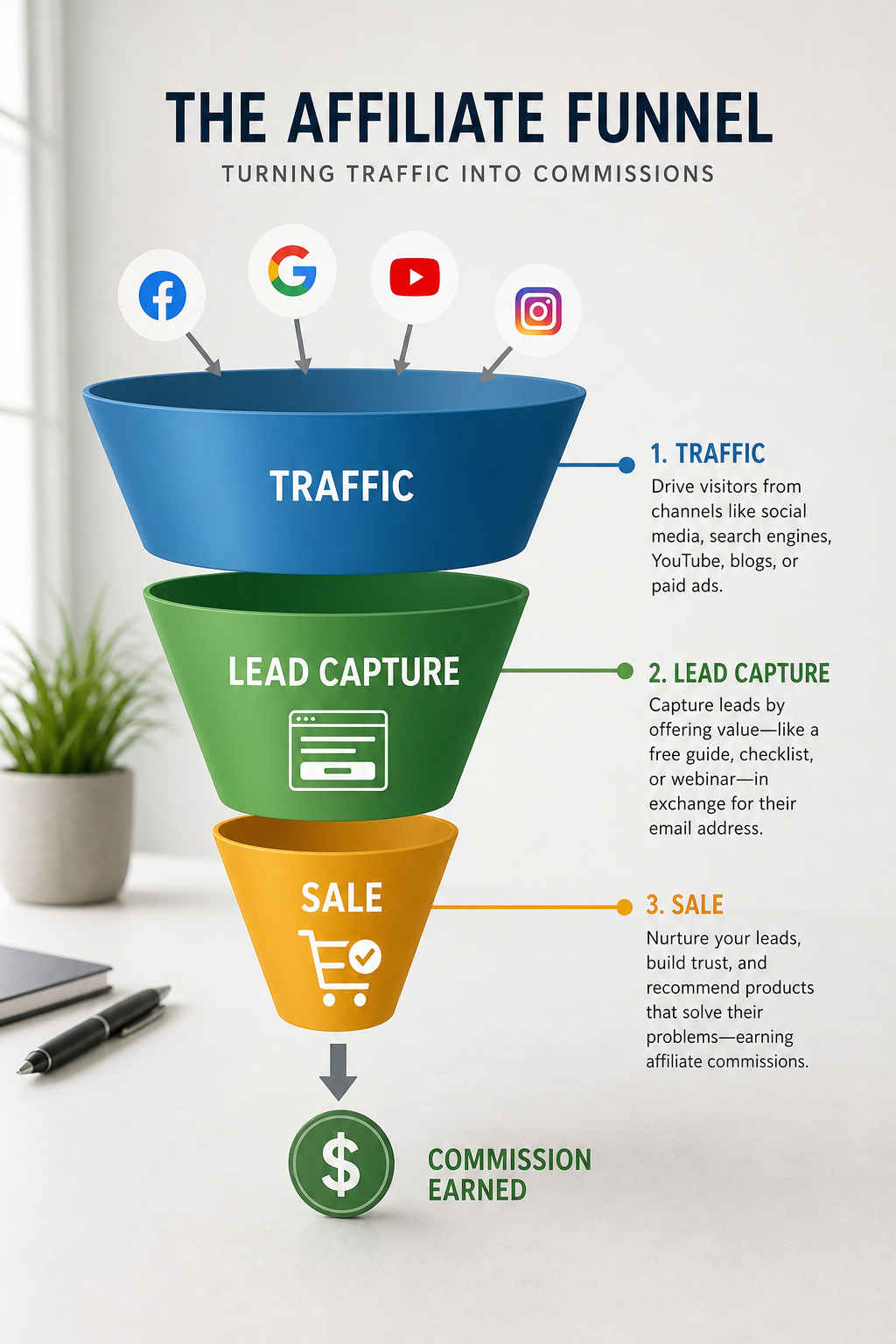
In our view at Shush Arya, we see affiliate marketing as a lean, fast path that prioritises skill development in marketing and audience building. It can be a great fit for stay‑at‑home parents or side hustlers who want to test the waters of online income with minimal risk, then decide if they want to scale into more complex models or hybrid setups. The key is clear goals, realistic timelines, and a plan you can repeat. And remember, a hybrid approach can blend MLM’s reach with affiliate’s low entry bar, but it needs mindful setup to avoid conflicts in payout structures and messaging.
Bottom line: Affiliate marketing is a scalable, low‑cost option that rewards consistent, value‑driven promotion, with the potential to grow fast when you build the right audience and offers.
FAQ
What is MLM and how does it differ from affiliate marketing?
MLM, or multi‑level marketing, blends product sales with team building. You earn from your own sales and from the sales of people you recruit, plus from levels below them as your downline grows. Affiliate marketing pays commissions for sales you generate through your own links, with no required recruitment. The big difference is recruitment: MLM rewards downline growth, affiliate marketing rewards direct sales. This distinction shapes risk, scalability, and lifestyle fit for mlm vs affiliate marketing.
Which model is easier for a first‑timer to start with in 2026?
Affiliate marketing is typically easier to start because entry costs are low or zero, and you can dive in with content you’re already creating. MLM often requires an initial kit, product purchases, and ongoing training. In mlm vs affiliate marketing terms, the barrier to entry for affiliate marketing is usually lower. If you’re comfortable with content and ads, affiliate marketing can be a quicker path to revenue, though building trust still takes time.
How do earnings typically grow in each model?
In MLM, earnings grow with personal sales and with the sales of your team, which can create exponential effects but also add risk if the downline slows down. In affiliate marketing, earnings grow with the volume of sales you generate and how well you scale traffic and offers. Both models can be lucrative, but mlm vs affiliate marketing balance depends on your ability to scale, manage risk, and sustain momentum.
What are common legal risks I should know?
MLMs face regulatory scrutiny in some regions due to recruitment structures, while affiliate marketing is generally legal but still requires proper disclosure and honest marketing. In both paths, avoid false testimonials and misrepresentation. It’s wise to stay clear of schemes that look like pyramids, and to keep receipts, contracts, and communications transparent. Always check local rules and guidance on direct selling and affiliate disclosures to stay compliant in your market.
How can I evaluate an MLM or an affiliate program before joining?
For mlm vs affiliate marketing decisions, start by checking the product demand, the company’s reputation, and the clarity of the pay plan. For MLM, review the compensation plan for complexity and sustainability, the time to cash, and the real cost of entry. For affiliate programs, check commission rates, payout schedules, cookie windows, and support. Run a small pilot test, create content, drive traffic, and measure conversions before committing. Try these: understand the funnel, test ads, and map a simple revenue path.
Is there a hybrid path, and does Shush Arya support it?
Yes, there is a growing hybrid trend that merges MLM’s network reach with affiliate marketing’s low entry costs. Hybrid models can offer the best of both worlds, but they require careful messaging, clear payout rules, and strong compliance to avoid conflicts. At Shush Arya, we support ethical, practical paths for home‑based entrepreneurs. We focus on mindset, strategy, and sustainable growth, helping you choose the model that fits your goals, then build with integrity. For a trusted guide on time freedom in network marketing, see Shush Arya’s Creating Time Freedom With Network Marketing resource.
Bottom line: In mlm vs affiliate marketing, your best path comes from a clear goal, honest testing, and a plan you can repeat with integrity.
Ready to see how Shush Arya can help you pick your path and start with a free consult? The Evolution of Online Network Marketing could be your first step toward a career that fits your life.
Bottom line: Your path matters. Pick the model that aligns with your goals, test it with small bets, and scale only when you’re confident in your strategy.
To learn more and for a hand‑held plan, we invite you to explore Shush Arya’s guidance on building a residual income and time freedom through network marketing. Building Residual Income with Network Marketing
Bottom line: In mlm vs affiliate marketing, the best fit blends your values, your time, and your willingness to learn, and the right mentor can make all the difference.
Creating Time Freedom With Network Marketing offers practical steps to design your life around a business that truly serves you.


