
Best Network Marketing Mentorship Program Fee Structures
Feeling stuck on the price tag of a mentorship program? You’re not alone. Many aspiring network marketers wonder whether the cost matches the payoff. In this article we break down the most common fee structures, weigh the pros and cons, and give you a clear roadmap to pick the model that fuels your growth.
By the end you’ll know how each option works, which hidden costs to watch for, and how to line up the right program with your budget and ambition.
1. High‑Ticket Mentorship Programs , Premium Coaching with Massive Upfront Investment
High‑ticket programs usually charge $5,000 to $15,000 for a limited‑time, intensive coaching package. The idea is that a deep dive with a seasoned mentor will fast‑track your results. These programs often bundle live workshops, one‑on‑one strategy sessions, and access to exclusive mastermind groups.
What you get:
- Personalized business audit , the mentor maps out your funnel, scripts, and follow‑up system.
- Weekly live Q&A , you can ask real‑time questions about leads, objections, and closing.
- Accountability partnership , a peer or the mentor checks your weekly targets.
Because the price is high, the stakes are also high. You must be ready to commit time and effort. A common pitfall is treating the fee as a sunk cost and not taking action. To avoid that, set clear milestones before you sign up and write them down.
Pros:
- Fast learning curve , you get direct feedback on what works.
- Network boost , you join a group of high‑performers who can refer leads.
- Resources , often includes premium tools, software access, and templates.
Cons:
- Upfront risk , if the mentor’s style doesn’t match yours, you lose a lot.
- Limited scalability , intensive one‑on‑one time limits how many people the mentor can serve.
Real‑world example: An entrepreneur in Texas invested $8,200 in a high‑ticket program, implemented the weekly action plan, and within three months increased monthly residual income by $2,400. The key was strict adherence to the mentor’s daily rituals.
Key Takeaway: High‑ticket mentorship works best when you have a clear goal, a willingness to act fast, and the cash to cover the fee without straining your personal budget.
2. Low‑Ticket Mentorship Programs , Affordable Entry‑Level Coaching
Low‑ticket options range from $50 to $300 for a month‑long course or a small group of weekly calls. They are designed for beginners who want to test the waters before committing big money.
Typical features include:
- Pre‑recorded video modules that cover basics like mindset, prospecting scripts, and product positioning.
- Access to a private community forum for peer support.
- Occasional live webinars for Q&A.
Because the cost is low, the depth of personalization is limited. You’ll rely more on group learning and self‑discipline.
Pros:
- Low financial risk , you can try several programs to see what fits.
- Flexibility , most courses are on‑demand, so you fit learning around a day job.
- Community , you still get a network of fellow learners.
Cons:
- Generic content , not tailored to your niche or market.
- Less accountability , without a dedicated coach, it’s easy to drift.
To get the most out of a low‑ticket program, treat the material as a foundation and supplement it with personal coaching. For instance, after completing a $199 course, you could schedule a single duplication technique session with a mentor to fine‑tune your script.
According to Wikipedia’s definition of network marketing, the model thrives on personal relationships. Even a modest training budget can help you master those relationships if you stay consistent.
Key Takeaway: Low‑ticket mentorship is a low‑risk way to build core skills, but you’ll need extra discipline or a supplemental coach to turn knowledge into income.
3. Subscription‑Based Mentorship Programs , Monthly Recurring Fees for Ongoing Support
Subscription models charge $30‑$200 per month and promise continual updates, live coaching, and a growing library of resources. The idea is to keep you in a “learning loop” where each month brings new tactics and market insights.
Common components:
- Weekly live training , often a short masterclass on a hot topic (e.g., Instagram reels, lead magnets).
- Monthly challenge , a goal‑oriented task that pushes you to apply the week’s lesson.
- Resource vault , recordings, swipe files, and scripts you can reuse.
Because the fee recurs, you can cancel anytime if the value drops. That creates a natural test: does the program keep delivering fresh, actionable content?
Pros:
- Steady learning , you stay up‑to‑date with market trends.
- Community momentum , members often share wins that spark ideas.
- Low entry cost , you can start with $30 and upgrade later.
Cons:
- Variable quality , not all monthly content is high value.
- Long‑term expense , $100 a month adds up to $1,200 a year.
Best practice: after the first 90 days, evaluate the ROI. Count new leads, conversions, and revenue generated directly from the program’s teachings. If the numbers exceed the monthly cost, stay; otherwise, look for a better fit.
Key Takeaway: Subscription mentorship works well for marketers who thrive on continuous education and community pressure, but you must track results to avoid unnoticed overspend.
4. Performance‑Based Mentorship Programs , Pay a Percentage of Your Earnings
In a performance‑based model the mentor takes a cut, usually 5‑15%, of the revenue you earn while you’re under their guidance. There is little or no upfront fee; the mentor’s income depends on your success.
How it works:
- You sign a contract that outlines the percentage and the duration (often 6‑12 months).
- The mentor provides weekly strategy calls, funnel reviews, and sales scripts.
- At the end of each month the mentor invoices a share of your net sales.
This structure aligns incentives: the mentor wants you to close deals fast. However, it can also create pressure to prioritize short‑term sales over long‑term brand building.
Pros:
- Low upfront cost , you only pay when you earn.
- Motivation , the mentor is highly invested in your results.
- Risk sharing , you share the risk of a new product launch.
Cons:
- Revenue sharing , you give up a slice of every commission.
- Potential conflict , mentors may push tactics that boost short‑term numbers but hurt long‑term sustainability.
A case study from the Federal Trade Commission’s guidance on multi‑level marketing notes that performance‑based coaching can be legitimate if the compensation plan is transparent and tied to actual product sales (FTC). Ensure any agreement spells out the exact percentage, reporting method, and termination clause.
Key Takeaway: Choose performance‑based mentorship only if the mentor’s track record is proven, the contract is clear, and you’re comfortable sharing a portion of your earnings.
5. Tiered Fee Structures , Three‑Level Packages (Silver, Gold, Platinum)
Tiered pricing offers a ladder of services: Silver (basic), Gold (mid‑level), Platinum (premium). Each step adds more personal time, tools, and exclusivity.
Typical layout:
- Silver , access to recorded trainings, a community forum, and monthly group calls. Price: $99‑$199 per month.
- Gold , everything in Silver plus weekly group coaching, a personal audit, and a modest software bundle. Price: $300‑$500 per month.
- Platinum , all Gold features plus private daily coaching, custom funnel building, and live event tickets. Price: $800‑$1,500 per month.
Why tiers work: they let you start small and upgrade as revenue grows. The key is to compare the incremental value against the incremental cost.
Pros:
- Scalable , you can move up the ladder as your income rises.
- Clear expectations , each tier has a defined deliverable list.
- Choice , you can pick a level that matches your cash flow.
Cons:
- Complexity , you must evaluate whether the added features truly benefit you.
- Potential lock‑in , some programs require a minimum term for higher tiers.
To decide, calculate the break‑even point: if the Gold tier costs $400 per month, you need at least $1,200 extra profit to justify the upgrade (assuming a 3‑month ROI horizon). Use a simple spreadsheet to track the numbers.
For a deeper dive on tiered pricing, see Wikipedia’s pricing strategy overview.
Key Takeaway: Tiered mentorship gives flexibility, but only move up when the added support translates into measurable revenue growth.
6. One‑on‑One vs. Group Mentorship , Price Differences and Value Comparison
One‑on‑one coaching commands premium rates, often $150‑$300 per hour, because the mentor tailors every suggestion to your specific market. Group mentorship, by contrast, spreads the mentor’s time across 5‑20 participants, dropping the per‑person cost to $30‑$100 per session.
When to pick one‑on‑one:
When to pick group:
- You’re early in the journey and benefit from peer learning.
- You have a tight budget but still want expert input.
- You enjoy networking and can apply insights from others’ experiences.
Cost comparison example: a 12‑week program that offers weekly one‑on‑one calls at $200 each totals $2,400. The same curriculum delivered in a group setting at $60 per week totals $720 , a savings of $1,680.
However, group programs can still deliver high ROI if the community is active. Look for programs that assign accountability partners or small breakout groups.
Key metric: after each session, record the number of actions you took and the revenue those actions generated. If the ratio of revenue to cost exceeds 2:1, the format is paying off.
Key Takeaway: One‑on‑one offers laser focus for complex issues; group mentorship provides cost‑effective peer learning. Match the format to your current needs and cash flow.
7. Free Trial Mentorship Programs , Test Before You Invest
Free trials let you sample a mentor’s style, community vibe, and teaching method without paying upfront. Typical offers include a 7‑day access pass to video libraries, a single live Q&A session, or a brief strategy call.Why they matter: they reduce the risk of spending on a mismatched program. You can gauge whether the mentor’s communication tone clicks with you and whether the content aligns with your market.
How to evaluate a free trial:
Beware of hidden clauses that auto‑charge after the trial. Always read the fine print and set a calendar reminder to cancel if you decide it’s not for you.
Key Takeaway: A free trial is a low‑risk audition. Use it to verify teaching style, community health, and immediate applicability before committing cash.
8. All‑Inclusive Mentorship Programs , Training, Software, and Support Bundled
All‑inclusive packages aim to be a one‑stop shop. For a flat fee (often $500‑$1,200 per month) you receive training modules, a CRM system, funnel‑building software, and ongoing support.
Features commonly bundled:
- Video library covering mindset, lead generation, and closing techniques.
- Access to a proprietary CRM that tracks prospects, follow‑ups, and team performance.
- Pre‑built funnel templates that you can white‑label for your brand.
- Monthly live coaching calls and a private Slack channel.
Because the cost includes software, you avoid separate subscriptions that could add up to $200‑$300 monthly. This can simplify budgeting and reduce vendor friction.
Pros:
- All tools in one place , saves time switching between platforms.
- Predictable expense , you know exactly what you’ll pay each month.
- Integrated learning , software demos are built into the training curriculum.
Cons:
- One‑size‑fits‑all , the software may not match every niche.
- Higher baseline cost , even the “basic” tier can be pricey for new marketers.
Consider this: if the bundled software alone costs $150 per month on the market, and the mentorship adds $350 worth of coaching, the combined value is $500. If the package is priced at $450, you’re getting a net gain.
Key Takeaway: All‑inclusive mentorship removes the hassle of juggling tools, but verify that each component truly fits your workflow before paying the flat fee.

9. Pay‑Per‑Session Mentorship , No Long‑Term Commitment
Pay‑per‑session models let you buy single coaching calls or workshops as needed. Prices range from $50 for a 30‑minute call to $250 for a full‑day intensive.
Ideal for:
- Entrepreneurs who have a specific hurdle (e.g., launching a new product).
- Those who prefer to test a mentor’s expertise before a longer commitment.
- Seasonal marketers who need bursts of guidance during peak periods.
Pros:
- Flexibility , you only pay for what you need.
- Targeted advice , sessions focus on a single problem.
- No ongoing fees , you avoid subscription fatigue.
Cons:
- Higher per‑hour cost , a $200 session may equal several months of a $30 subscription.
- Limited continuity , you may miss out on long‑term accountability.
Best practice: schedule a “progress audit” every quarter. Use a pay‑per‑session call to review your funnel performance and set new quarterly goals.
Key Takeaway: Pay‑per‑session works well for pinpoint challenges, but plan regular check‑ins to keep momentum alive.
10. Hybrid Mentorship Programs , Online + In‑Person Events
Hybrid programs blend virtual training with occasional live workshops, retreats, or bootcamps. The virtual component delivers weekly content, while the in‑person events focus on deep networking and hands‑on practice.
Typical schedule:
- Weekly Zoom masterclass (45 minutes).
- Monthly live workshop in a major city (full day).
- Quarterly retreat , intensive strategy sprint with peer accountability.
Hybrid models appeal to marketers who value face‑to‑face connection but cannot travel weekly. The travel cost is offset by the high‑impact nature of the events.
Pros:
- Strong community bonds , meeting in person builds trust.
- Hands‑on practice , live role‑plays and real‑time feedback.
- Hybrid flexibility , you keep learning online between events.
Cons:
- Travel expenses , flights, accommodation, and meals add up.
- Scheduling constraints , you must align with event dates.
To evaluate, calculate the total cost of attendance (ticket price + travel) and compare it to the estimated revenue lift from the networking opportunities. If the ROI exceeds 2:1, the hybrid model is worthwhile.
Key Takeaway: Hybrid mentorship offers the best of both worlds, but be sure the in‑person component justifies its extra cost.
11. Mentor‑Specific Programs , Celebrity Network Marketing Coaches with Premium Pricing
Some well‑known coaches brand their own programs, often charging $2,000‑$10,000 for exclusive access to their personal frameworks, private mastermind groups, and signature events.
Features you might see:
- Personal branding workshops , the mentor shares their exact social media playbook.
- Signature system , a proprietary step‑by‑step formula that the mentor claims generated millions.
- VIP events , intimate gatherings with limited seats.
Because the price is high, the perceived value hinges on the mentor’s track record. Verify claims by looking for independent audits, third‑party testimonials, or transparent earnings disclosures.
Pros:
- Brand cachet , association with a known name can open doors.
- Polished materials , often high‑quality video and design.
- Access to the mentor’s inner circle.
Cons:
- Cost , the price can be prohibitive for newcomers.
- Potential hype , celebrity branding may mask limited actionable content.
Do a quick sanity check: if the mentor promises a $5,000 return in 30 days, ask for a detailed case study showing exactly how that result was achieved. Skeptical buyers who demand proof tend to stay away from scams.
Key Takeaway: Celebrity‑driven mentorship can boost credibility, but only invest if the mentor’s results are independently verified.
12. Company‑Sponsored Mentorship , Built‑in Training from Your MLM Company
Many MLM companies provide internal mentorship as part of the onboarding package. This training is often free or bundled with product starter kits.
Typical elements:
- Company‑run webinars covering product knowledge and basic sales scripts.
- Assigned “sponsor” who guides you through the first 30 days.
- Access to official marketing collateral and brand guidelines.
The upside is that the training aligns directly with the company’s compensation plan, ensuring you focus on the most profitable activities.
However, the downside can be a one‑size‑fits‑all approach that doesn’t consider your personal strengths. Supplement the internal program with external coaching if you need a more tailored strategy.
For deeper insight into how company‑sponsored mentorship fits regulatory standards, see the FTC’s guidelines on MLM training (FTC).
Pros:
- Cost‑effective , often free with product purchase.
- Consistency , everyone receives the same foundational material.
- Direct alignment , training matches the company’s compensation plan.
Cons:
- Limited personalization , you get generic scripts.
- Potential bias , the company may downplay pitfalls.
Best practice: after completing the company’s 30‑day program, schedule a single session with a seasoned external mentor to audit your approach. Use the internal knowledge as a base, then refine it with customized tactics.
Key Takeaway: Company‑sponsored mentorship is a solid starter, but pairing it with personalized coaching unlocks higher earnings.
Team duplication systems can help you scale the basics you learn in the corporate program.
13. Regional Mentorship Programs , Adapted to Local Market Regulations
Regulations for MLM vary by state, province, and country. Regional mentorship programs tailor their curriculum to comply with local laws, tax rules, and cultural norms.
Key considerations:
- Disclosure requirements , some jurisdictions demand a written earnings disclaimer.
- Buy‑back policies , certain regions require the company to repurchase unsold inventory.
- Advertising restrictions , rules around claims you can make on social media differ widely.
Regional mentors often provide templates for compliant contracts and scripts that respect local consumer protection laws.
Pros:
- Legal safety , you avoid costly compliance violations.
- Cultural relevance , messaging resonates better with local audiences.
- Network of local peers , easier to find nearby meetups.
Cons:
- Limited scalability , techniques may not translate if you expand nationally.
- Higher cost , specialized legal guidance can increase fees.
Example: a mentor in Ontario, Canada, includes a module on the Canadian Anti‑Spamming Legislation (CASL) and helps participants draft compliant email scripts. Participants reported a 30% lower complaint rate after applying the guidance.
Key Takeaway: If you operate in a regulated market, a regional mentorship ensures you stay compliant while still growing your business.
14. Risk‑Free Mentorship Programs , Money‑Back Guarantees and Cancel‑Any‑Time Policies
Risk‑free offers let you test a program with the promise of a full refund if you’re not satisfied within a set window (often 30‑60 days). The terms vary widely, so read the fine print.
What to look for:
- Clear refund process , who do you contact, and how long does the refund take?
- No hidden obligations , ensure you’re not locked into a longer contract after the refund period.
- Performance criteria , some guarantees are tied to measurable results (e.g., “generate at least 10 leads”).
Pros:
- Low entry risk , you can assess value before committing.
- Confidence signal , a mentor who offers a guarantee often believes in their material.
Cons:
- Short evaluation window , you may need more than 30 days to see results.
- Potential sales pressure , mentors may push you to upgrade before the refund deadline.
Tips for success:
- Start the program on day 1 and track daily actions.
- Set a measurable goal (e.g., “add 20 new contacts”).
- If the goal isn’t met, request the refund before the deadline.
Key Takeaway: Money‑back guarantees reduce financial risk, but you must act quickly and measure outcomes to decide whether to stay.
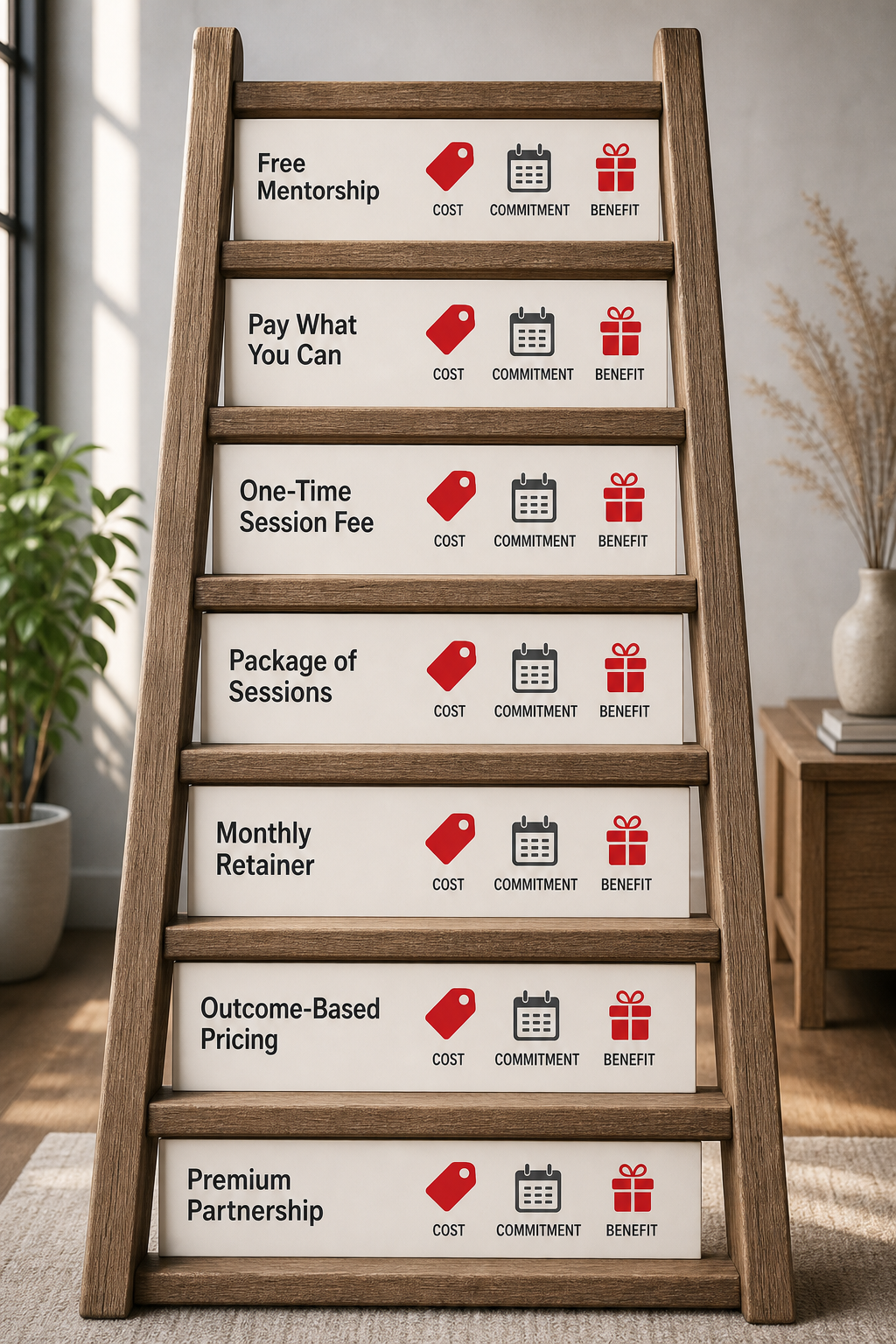
15. Comparison of Mentorship Fee Models
Below is a quick side‑by‑side view of the main fee structures. Use this table to match your budget, risk tolerance, and learning style.
Use the table to pinpoint which model aligns with your cash flow, learning preferences, and growth timeline.
16. Frequently Asked Questions
What is the best fee structure for a brand‑new network marketer?
For newcomers, a low‑ticket or subscription‑based program often provides the right mix of affordability and ongoing support. Start with a $100‑$150 per month plan, track weekly results, and upgrade only when you see a clear revenue lift. This approach limits risk while still giving you a community to lean on.
How can I tell if a high‑ticket mentor is worth the price?
Ask for verifiable case studies, request a short strategy call, and check for transparent earnings disclosures. Look for a break‑even analysis: if the mentor charges $8,000, you should aim to earn at least $12,000 extra within the program’s timeframe to justify the spend.
Do performance‑based mentorships violate any regulations?
As long as the compensation is tied to actual product sales and not solely to recruitment, they remain legal. The FTC warns against structures that reward enrollment over sales (FTC). Verify that the agreement specifies sales‑based percentages.
Can I combine a free‑trial program with a subscription?
Yes. Many platforms let you start with a free trial and then roll into a paid subscription automatically. Just set a calendar reminder to cancel before the trial ends if the content doesn’t match your needs.
What hidden costs should I watch for?
Beyond the headline fee, look for software licences, event travel, additional coaching sessions, or mandatory marketing material purchases. Add these to your budget spreadsheet and compare the total cost to projected earnings.
How do regional regulations affect mentorship fees?
Some regions require mentors to disclose earnings potential, maintain buy‑back policies, or limit upfront fees. A regional program that includes compliant contracts can protect you from fines and preserve credibility.
Is a money‑back guarantee always a safe bet?
A guarantee reduces financial exposure, but read the terms. Some programs only refund the base fee, not the value of extra resources you’ve used. Ensure the refund process is straightforward and that you can meet any performance criteria.
Should I invest in all‑inclusive mentorship if I already have my own tools?
If you already own a CRM, funnel builder, and email platform, an all‑inclusive package may duplicate services you pay for elsewhere. Compare the bundled software cost against your current subscriptions to decide if the extra coaching justifies the fee.
17. Conclusion
Choosing the right network marketing mentorship fee structure is a balance of budget, risk tolerance, and learning style. High‑ticket programs deliver fast, personalized results but demand a big upfront bet. Low‑ticket and subscription models keep costs low while providing steady guidance. Performance‑based, tiered, and hybrid options sit in the middle, offering flexibility for growing entrepreneurs. Free trials and money‑back guarantees let you test the waters without jeopardising cash flow, and regional programs keep you on the right side of the law.
Take the next step by matching a model to your current income level and growth goals. If you’re ready to accelerate your network marketing journey with proven coaching, consider the Network Marketing Training program from Shush Arya. It blends mindset work, personalized strategy, and ongoing accountability , the exact blend many top earners rely on.
Remember, the most expensive option isn’t always the best, and the cheapest can leave you stranded. Evaluate each model against measurable outcomes, track your ROI, and stay adaptable. Your mentorship choice today sets the foundation for the residual income you’ll build tomorrow.
- Sign up and note the onboarding experience , is it smooth or confusing?
- Attend the live session and watch how the mentor answers questions. Do they give specific, actionable advice?
- Check the community , are members supportive, or is it just sales hype?
- After the trial, list three concrete takeaways. If you can implement them within a week, the program likely adds value.
- Your business faces unique challenges that generic advice won’t solve.
- You need rapid feedback on a live campaign.
- You value privacy and want confidential strategy reviews.


