
Top Network Marketing Mentorship Program Pricing Models
Feeling stuck with your MLM earnings? The price you pay for mentorship can make or break your progress. In this post we break down the most common pricing structures, explain what you get with each, and help you spot the model that matches your budget and goals. By the end you’ll know which option gives you the best bang for your buck.
1. Shush Arya’s Flat‑Fee Premium Mentorship Program
With Shush Arya’s flat‑fee model you pay one lump sum up front and get access to a full package of training, coaching calls, and resources. The idea is simple: you know exactly what you’ll spend, and you can focus on using the material instead of worrying about monthly bills.
Most premium programs bundle live webinars, a private community, and a set number of one‑on‑one sessions. For home‑based entrepreneurs who prefer predictability, this works well. Imagine you close a big sale and the mentorship fee is already covered, you keep the profit.
Because the fee is fixed, providers often include bonuses like downloadable worksheets, funnel templates, and mindset exercises. This adds tangible value and helps you implement what you learn faster.
One drawback is the upfront cost can feel high, especially if you’re just starting out. However, the lack of recurring charges means you won’t be surprised by hidden fees later.
When evaluating a flat‑fee program, ask for a detailed syllabus. Look for clear outcomes such as “create a 30‑day lead‑generation plan” or “run a weekly accountability call.” If the syllabus aligns with your gaps, the model can be a solid investment.
For a quick snapshot of network marketing basics, see Wikipedia’s overview of network marketing. It explains the structure and why mentorship matters.
2. Monthly Subscription Mentorship
Subscription plans charge a recurring fee each month. In return you get ongoing support, fresh content, and regular group calls. This model suits people who want continuous learning and accountability.
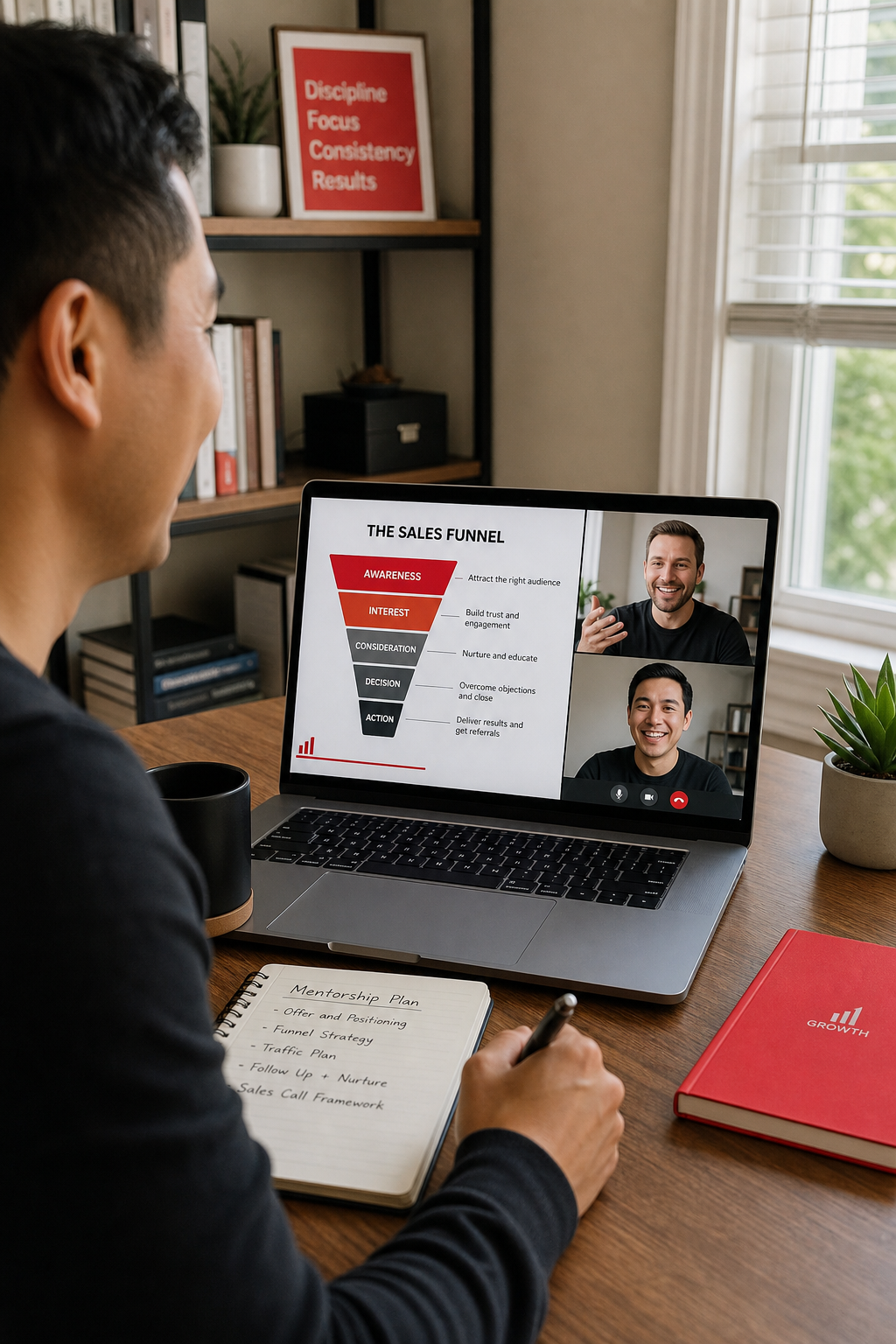
Typical features include weekly live Q&A, a members‑only forum, and monthly strategy workshops. Because the content is updated, you stay current with new tactics, social‑media trends, and product launches.
For a home‑based marketer, the recurring cost can be budgeted like any other business expense. If you earn a steady commission, the subscription can be seen as an investment that fuels growth.
The main risk is churn. If you stop seeing results, you may keep paying for a service that no longer adds value. Look for a clear cancellation policy and a trial period.
When comparing subscriptions, note the frequency of live sessions. More live interaction usually means higher engagement and faster results.
Check with a financial advisor for advice on budgeting recurring expenses for a solo venture.

3. Tiered Package Mentorship (Basic, Standard, Premium)
Tiered packages let you start low and upgrade as you grow. A basic tier might include recorded lessons only, while the premium tier adds personal coaching and a mastermind group.
This structure is flexible. New distributors can test the waters with a basic plan, then move up when they see results. It also gives providers a way to upsell without forcing a high price from day one.
Key things to compare across tiers: number of live calls, access to a private community, and any bonus materials. A common pitfall is choosing a tier that promises too much without enough personal attention.
To decide which tier fits you, list your current needs. If you lack a clear funnel, the standard tier’s template may be enough. If you need deep mindset work, the premium tier’s one‑on‑one sessions could be worth it.
Remember that many programs hide the price of higher tiers behind a contact form. Ask for the exact cost before you commit.
Our own coaching at our network marketing training resources uses a tiered approach, letting you pick the level that matches your experience.
4. Pay‑Per‑Session Coaching Model
Pay‑per‑session lets you buy only the coaching you need. Each call is billed separately, often at a higher hourly rate than bundled plans.
This model works for entrepreneurs who have specific questions or need a quick audit of their funnel. You pay for value, not for unused content.
Because you control the schedule, you can focus on high‑impact topics like lead‑generation scripts or objection handling. The downside is that costs can add up quickly if you need frequent help.
When using this model, ask the mentor how long each session lasts and what preparation is required. A well‑structured 60‑minute call should include a clear agenda, live screen share, and follow‑up notes.
Look for mentors who provide a short discovery call for free. That way you can gauge chemistry before spending.
Our own program offers a pay‑per‑session option for busy parents who can only meet once a month.
5. All‑Inclusive Certification Mentorship
Certification programs bundle training, exams, and a recognized credential. You pay a single fee to become a certified network‑marketing coach or strategist.
Benefits include a marketable title, access to a alumni network, and sometimes a listing on the provider’s partner directory. This can help you attract recruits who trust a certified mentor.
These programs often require you to complete modules, pass quizzes, and submit a final project. The workload is higher, but the payoff can be a boost in credibility.
Check the accreditation. Some certifications are industry‑run and carry weight, while others are vanity titles. Look for reviews from graduates.
Our own mentorship includes a certification path that aligns with the mindset and strategy training we provide.
When budgeting, factor in any renewal fees for maintaining the credential.
6. Group Mentorship Program (Lower Cost)
Group mentorship gathers a cohort of entrepreneurs into a shared learning environment. The cost per person is lower because the mentor’s time is split across many members.Typical formats include weekly group calls, a private chat group, and shared resources. You benefit from peer feedback and networking.
One downside is less personalized attention. Your specific challenges may get less focus in a large group.
To get the most out of a group, arrive prepared with questions and be active in the chat. The more you contribute, the richer the experience.
Our own community uses a group model for new distributors, providing a low‑cost entry point while still delivering weekly live training.
When signing up, ask how many members are in each cohort and what the mentor‑to‑student ratio is.
7. One‑on‑One High‑Touch Mentorship
This model offers dedicated, private coaching tailored to your business. You typically get a set number of weekly or bi‑weekly calls, plus email support.
The advantage is laser‑focused advice that directly addresses your funnel, mindset blocks, and recruitment strategy. High‑touch mentors often act as accountability partners.
Because the mentor’s time is exclusive, the price is higher. It’s best for entrepreneurs who have already tested a basic system and need a push to scale.
Before committing, request a sample agenda or a short trial session. That helps you see if the mentor’s style matches yours.
Our flagship offering pairs each client with a senior coach who reviews weekly metrics and adjusts the plan in real time.
Make sure the contract includes clear deliverables , for example, “review three sales calls per week” or “design a lead‑magnet funnel.”
8. Hybrid Mentorship (Group + Individual)
Hybrid programs blend group learning with occasional one‑on‑one check‑ins. You get the community vibe of a group and the tailored insight of private coaching.
Usually the schedule includes monthly group webinars plus a quarterly personal session. This balances cost and customization.
Mentors who run hybrid models often use a structured curriculum for the group portion, then dive deep into individual roadblocks during private calls.
One example is the UCLA Anderson mentorship, which runs from January to June with monthly 15‑30 minute Zoom check‑ins and optional in‑person meetings. The program is open to all students and emphasizes professional enrichment (source).
For home‑based network marketers, the hybrid model can give you the accountability you need without the full price of exclusive coaching.
When evaluating, compare the number of group sessions versus private ones, and verify the mentor’s expertise in both settings.
9. Results‑Based Commission Model
Some mentors charge a base fee plus a commission on the sales you generate while following their system. The idea is that the mentor only profits when you do. This aligns incentives. If the mentor’s advice is weak, you won’t pay much beyond the base fee. However, tracking can become messy. You need clear reporting rules to calculate the mentor’s share. Ask for a transparent spreadsheet that logs each qualified sale, the commission rate, and the payout schedule. This model works well for mentors confident in their system and for entrepreneurs willing to share a slice of future revenue, similar to a funded proposal.
10. Lifetime Access Mentorship
Lifetime access grants you entry to all current and future training materials for a one‑time fee. You can revisit content anytime, which is handy as your business evolves.
Pros include ongoing updates, no renewal hassle, and a library of past webinars. Cons are that live interaction may be limited after the initial launch period.
If you prefer self‑paced learning and want a reference archive, this can be a cost‑effective choice.
Check whether the provider adds new modules regularly. An evergreen program should grow with industry trends.
Our own mentorship includes lifetime recordings of every live session, so you can replay any lesson whenever you need a refresher.
11. Annual Subscription Mentorship
An annual plan bundles a full year of coaching, resources, and community events for a single payment. It often comes with a discount compared to month‑to‑month billing.
The benefit is price stability , you know the total cost upfront and can budget accordingly. You also avoid the risk of price hikes mid‑year.
Look for programs that include quarterly strategy reviews, a yearly mastermind retreat, and continuous content drops.
One risk is that you may lose momentum if you don’t stay engaged throughout the year. Set a calendar of milestones to keep yourself on track.
Our annual plan includes four live workshops, a private Slack channel, and a quarterly business‑review call.
12. Free Introductory Mentorship (with Upsell)
Many coaches offer a free starter session to showcase their style. The session usually lasts 15‑30 minutes and covers basic mindset or lead‑gen tips.
While the free portion is valuable, the goal is to convert you to a paid program. Pay attention to the value delivered , if it feels generic, the upsell may be high‑pressure.
To make the most of a free intro, prepare specific questions about your biggest bottleneck. This forces the mentor to give targeted advice.
After the free call, evaluate whether the suggested next steps align with your goals and budget before signing up.
We occasionally run a free 30‑minute discovery call that outlines a personalized roadmap before discussing pricing.
13. Scholarship/Need‑Based Pricing
Some mentorship providers offer reduced fees for entrepreneurs who demonstrate financial need or meet certain criteria. This can open doors for aspiring marketers who lack capital.
Applications typically ask for a short essay, proof of income, and a business plan outline. The mentor then decides the discount amount.
Pros include lower entry cost and a supportive community that values diversity. Cons are that the application process can be time‑consuming, and spots may be limited.
If you qualify, this model lets you access high‑quality training without breaking the bank.
Some professional mentor programs offer need‑based scholarships for qualifying candidates. While not specific to MLM, the principle applies.
14. Partner‑Level Exclusive Mentorship (for Top Distributors)
Top‑performing distributors sometimes get invited to an exclusive mentorship track. The price is often higher, but the group size is tiny, and the mentor is usually a senior leader.
Features may include private retreats, direct access to company executives, and a fast‑track on new product launches.
This model is ideal for those who have already built a sizable downline and want to accelerate to the next level.
The downside is that you must meet strict performance thresholds to qualify.
If you’re close to the required rank, ask your sponsor about the partner‑level program and what the exact requirements are.
15. Online Self‑Paced Course + Community
Self‑paced courses give you video lessons you can watch anytime. Adding a community forum or Discord server gives you peer support.
The price is usually lower than live coaching because you’re not paying for the mentor’s time. You get the same core curriculum, but you must be disciplined to finish.
Look for courses that include downloadable worksheets and a checklist so you can track progress.
Our own self‑paced library includes over 50 videos, plus access to a private Facebook group where members share wins.
When buying, read reviews to see if learners actually complete the course or drop out.
16. Mastermind Group Mentorship
Mastermind groups bring together a small cohort of high‑achieving entrepreneurs to solve each other’s problems. The facilitator may charge a flat fee per meeting or a quarterly membership.
Benefits include diverse perspectives, accountability, and the chance to test ideas in a safe space.
Because the group is peer‑led, you get equal input from all members, not just a single mentor.
However, the success of a mastermind hinges on the commitment of its members. If participants are flaky, the group loses momentum.
Our mastermind circles meet twice a month via Zoom, focusing on funnel optimization and mindset drills.
Before joining, ask about the group’s size, meeting frequency, and any required preparation.
17. How to Choose the Right Pricing Model , Comparison Table
Use this matrix to match your budget, learning style, and business stage. If you need a quick win, a pay‑per‑session or free intro may be best. For long‑term growth, consider flat‑fee or annual plans.
Conclusion
Choosing the right mentorship pricing model is a key step toward building a sustainable network‑marketing business. Each option , from flat‑fee premium packages to low‑cost group cohorts , offers a different balance of cost, support, and personalization. Think about your cash flow, how much one‑on‑one attention you need, and whether you want ongoing updates or a one‑time deep dive. If you’re ready to level up, explore Shush Arya’s managed coaching program, which blends mindset training, personalized strategy, and continuous accountability. Start your free trial today and see how the right mentorship can turn ideas into real results.


