
How to Network Marketing on Instagram
Instagram is where millions scroll, tap, and decide what to buy. If you’re a home‑based network marketer, that traffic can become your next wave of recruits and customers. In this guide you’ll learn four clear steps to turn an ordinary Instagram page into a lead‑generating machine: pick a niche, fine‑tune your profile, create scroll‑stopping content, then automate the outreach and track what works.
Step 1: Identify Your Niche & Target Audience
Finding a niche is the first move. A focused market gives you a clear message, less competition, and a tribe that feels you get them. Start by looking at Instagram’s massive user base. The platform now has3 billionmonthly active users, so you have plenty of people to serve. Wikipedia’s Instagram page confirms the audience leans younger, with two‑thirds aged 18‑34. That age slice loves visual storytelling, which is perfect for network marketing.
Next, scan profitable niche lists. Printify’s 2026 report highlights hot areas like beauty, fashion, travel, pets, and health‑wellness. Each comes with a built‑in audience that already searches for related products. For example, the pet niche has over 90 million U.S. households with pets, and the top dog accounts pull millions of followers. If you love animals, a pet‑focused product line can feel natural and authentic.
Ask yourself three questions: What do you enjoy? What problems can you solve? Where do people already spend money? The sweet spot is where your passion meets market demand.
Once you have a niche, drill down to a sub‑niche. In beauty, think cruelty‑free makeup; in fashion, think up‑cycled streetwear. Sub‑niches reduce competition and let you become the go‑to expert. Use Instagram’s search bar, type a keyword, and note how many posts appear. Fewer than a few hundred suggests low competition; a few thousand indicates a healthy audience.
Build a simple audience persona: age, gender, interests, and pain points. For a travel‑focused account, your persona might be “30‑year‑old adventure seeker who wants affordable gear.” Write it down and keep it visible while you create content.
To test the niche, run a quick poll in Stories or ask friends for feedback. If the response is enthusiastic, you’re on the right track.
When you’re ready, move to the next step , turning that niche into a profile that converts.
Step 2: Optimize Your Instagram Business Profile
Your profile is the front door. A sloppy bio sends visitors walking, while a clear, compelling bio invites them in.
First, switch to a Business or Creator account. This unlocks Instagram Insights, a free analytics tool that shows who’s watching your content. The insight dashboard lives under the profile menu; tap it to see reach, impressions, and follower growth.
Next, craft a headline that states what you do and who you help. A strong example from the Shush Arya playbook reads: “💼 Network Marketing Mentor | Helping Moms Build Income From Home 🚀”. The emoji adds visual interest without clutter.
Choose a high‑quality profile picture. A close‑up of your smiling face works best , it builds trust. Avoid logos unless you already have brand recognition.
Write a bio that hits three points: who you are, what you offer, and a call‑to‑action (CTA). For a wellness niche, try: “✨ Certified Wellness Coach | Free 5‑Day Habit Challenge , DM “JOIN” to start”. The CTA gives visitors a clear next step.
Include a link in the bio. If you have a landing page, use a short URL or a link‑in‑bio tool that lets you host multiple links. The link should lead to a capture page that offers a free resource , a checklist, video, or guide , in exchange for an email.
Use story highlights to showcase evergreen content: “About Me”, “Success Stories”, “Product Demos”, and “FAQs”. Each highlight cover should be a simple, bold icon that matches your brand colors.
Don’t forget the username. Keep it short, memorable, and keyword‑rich if possible. For a pet niche, something like @PetProfitCoach works.
Finally, set up a contact button that lets people email you directly from the profile. This removes friction and makes it easy for prospects to reach out.
For deeper bio inspiration, check out Magfento’s Instagram bio guide. It breaks down phrasing that resonates with network marketers.
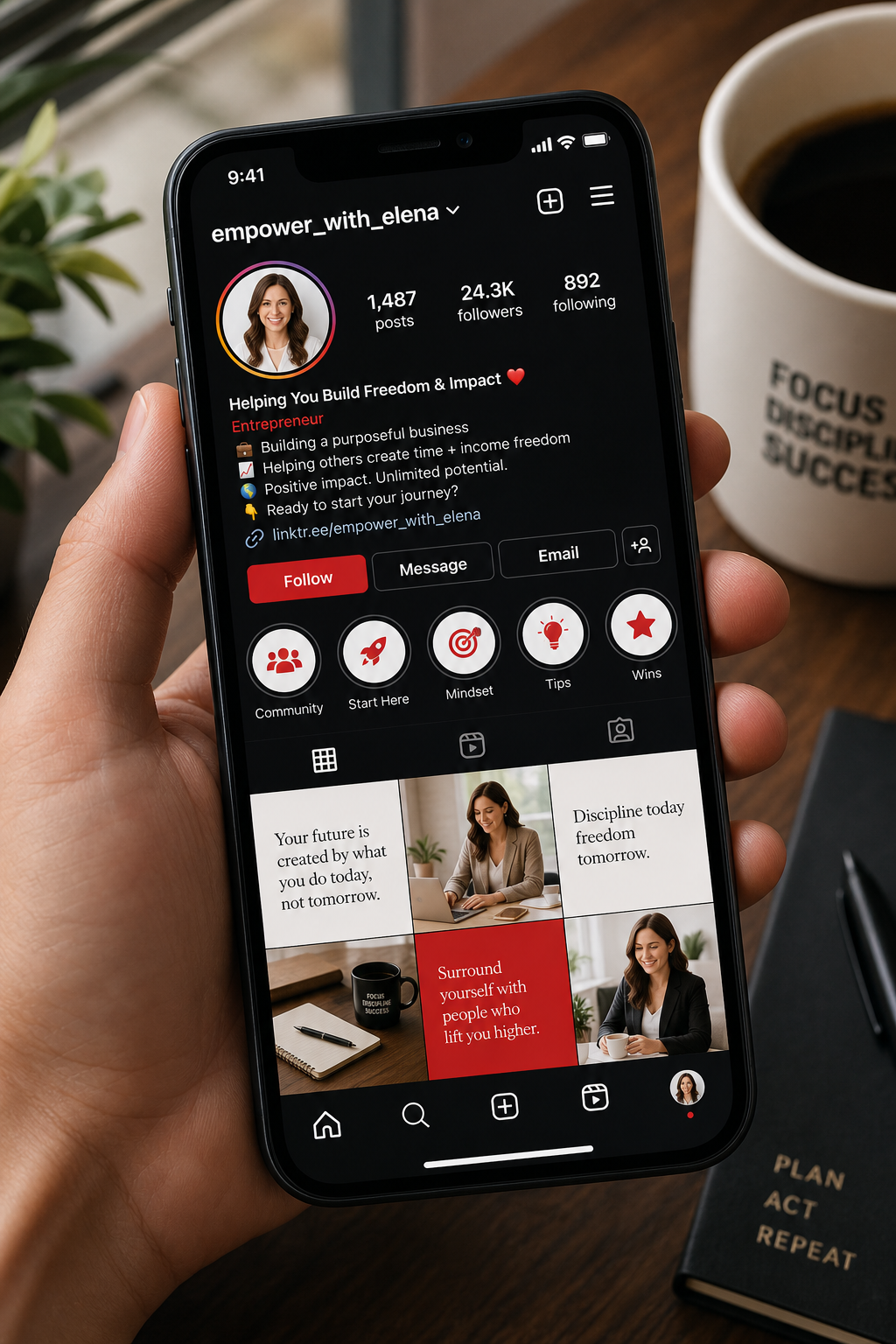
When your profile ticks all these boxes, you’ve built a solid foundation for the traffic you’ll attract later.
Step 3: Create Engaging Content & Use Stories/Reels
Content is the engine that drives traffic to your profile. Instagram rewards creators who post consistently and mix formats.
Start with a content calendar. Plan at least three posts per week: one carousel that educates, one Reel that entertains, and one personal story that builds connection. Use a free spreadsheet or a tool like Google Calendar to block out ideas.
Carousel posts let you dive deep. Break a topic into 5‑7 slides: a hook, a problem, a solution, a case study, a tip, a CTA, and a thank‑you. Keep each slide visually simple , bold text, high‑contrast images, and a consistent color scheme.
Reels capture the algorithm’s love for short video. Aim for 15‑30 seconds, use trending music, and add subtitles for viewers who watch without sound. A quick Reel showing a product demo or a behind‑the‑scenes glimpse of a team call can spark curiosity.
Stories keep your audience engaged daily. Use the “Ask a Question” sticker to gather pain points, then answer them in the next story. Share testimonials, quick polls, or sneak peeks of upcoming launches.
Mix personal moments with business value. A story of you prepping a healthy breakfast ties into a wellness niche and shows authenticity.
To spark ideas, use the 30 social prompts compiled by Penny. Prompts like “Share your biggest “why” for joining network marketing” or “Show a before‑and‑after of a client’s results” give you ready‑made content.
When you need visual assets, free tools like Canva let you design templates that match your brand colors.
Pro tip: Batch‑create content on weekends. Film several reels in one session, edit them, and schedule posts for the week. This prevents last‑minute scrambling.
Track each post’s performance using Insights. Look for metrics like reach, saves, and profile visits. If a carousel gets high saves, double down on that format.
Remember to repurpose. Turn a high‑performing Reel into a shorter TikTok, or expand a carousel into a blog post on your website.
Step 4: Automate Outreach, Use DM Funnels & Track Metrics
Manual DMs feel personal, but they drain time. An automated funnel lets you stay present while you focus on coaching.
Start with a welcome message. When someone follows you, Instagram’s Quick Replies let you send a pre‑written greeting: “Hey [Name], thanks for following! Want a free guide on building a home‑based network marketing business? Reply YES.”
If they reply YES, trigger a second message with a link to your lead magnet. Use a link‑in‑bio tool to route them to a capture page that asks for their email.
For larger lists, consider a third‑party DM automation tool that complies with Instagram’s policies. These tools can schedule follow‑up messages, tag leads, and add them to a spreadsheet.
Now, set up a simple CRM , even a Google Sheet works. Columns: Name, Instagram handle, email, stage (new, nurtured, qualified), and notes. Update it after each interaction.
Metrics matter. Track the conversion rate from follower to email subscriber, then from subscriber to meeting booked. According to Pew Research Center, about 66 % of Instagram users look for entertaining content, while 62 % follow brands. Use these insights to tailor your messaging.
Use Instagram Insights to monitor weekly growth. Look for spikes after a Reel or a story poll. If a post drives a lot of profile visits, note what angle you used.
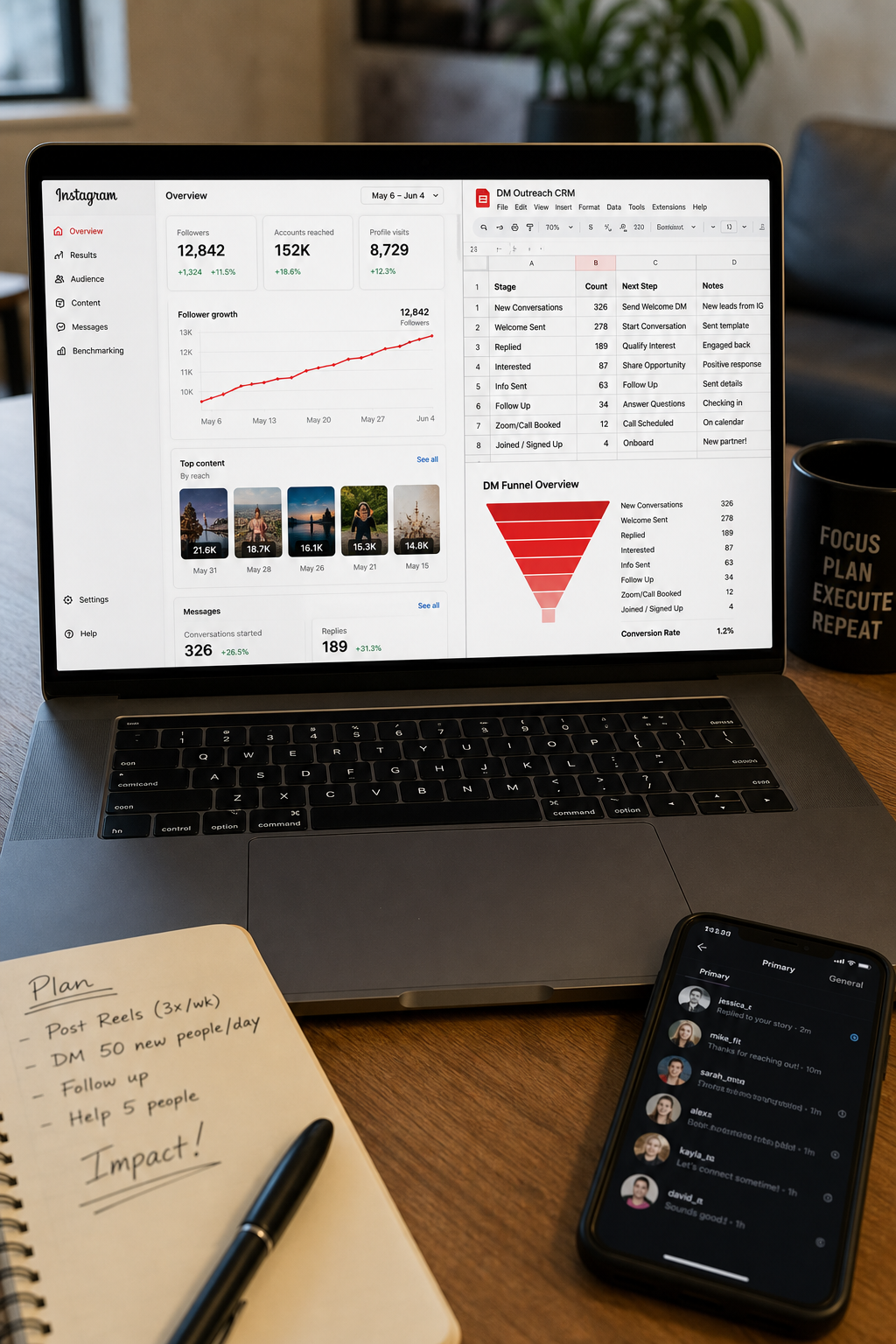
Regularly audit your funnel. Remove stale leads, refresh your welcome copy, and test new CTAs. Small tweaks can lift conversion rates by a few points.
Automation frees you to focus on coaching, mindset training, and live calls , the true drivers of network marketing success.
FAQ
How do I choose the right niche for my Instagram network marketing business?
Start by listing your passions, then match them with Instagram’s high‑interest categories such as beauty, fashion, travel, pets, or health. Use the niche research from Printify and check the number of posts for each keyword. A lower post count means less competition. Validate the idea by running a quick poll in Stories and noting the engagement. If people respond positively, you’ve found a viable niche.


